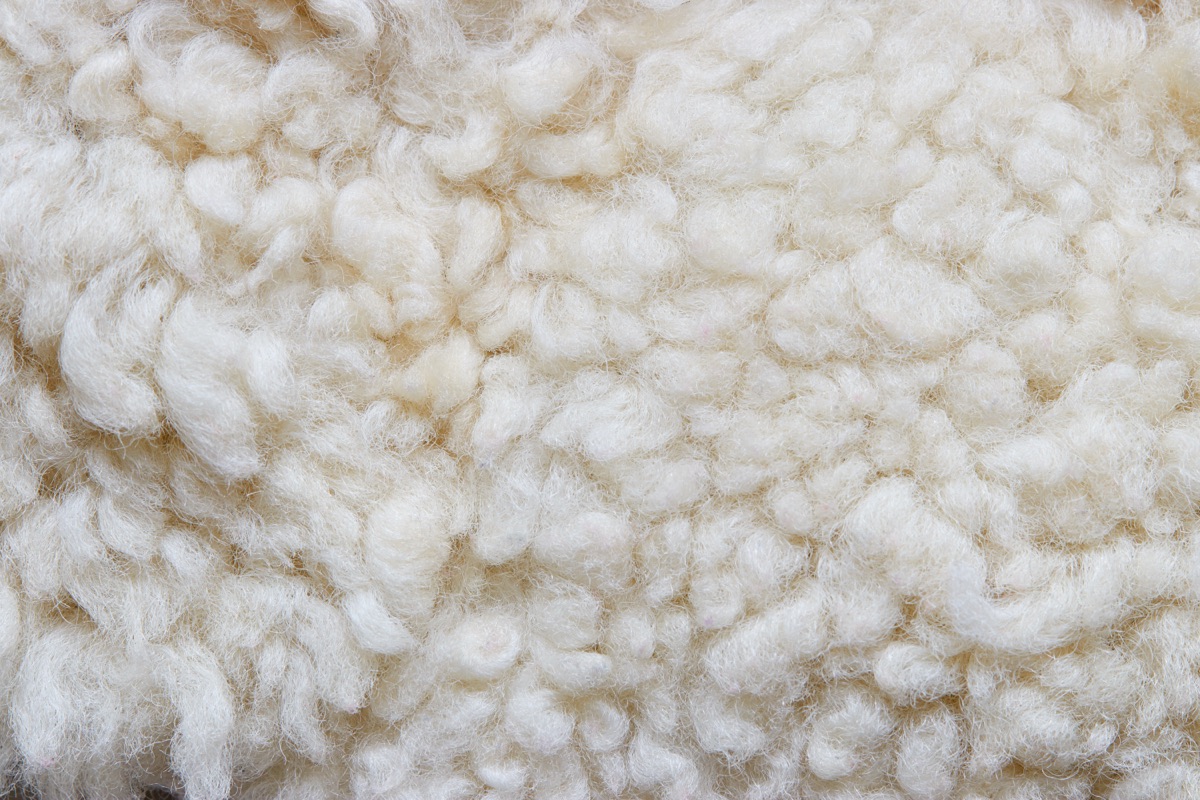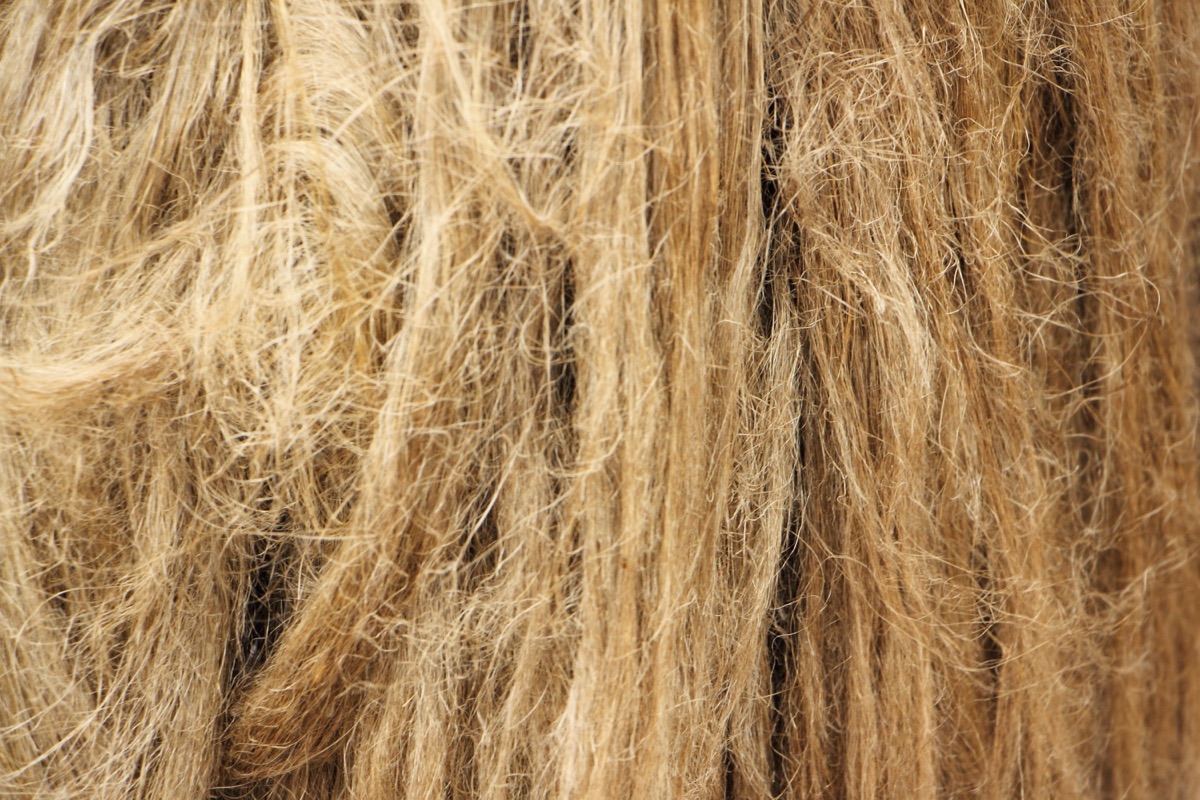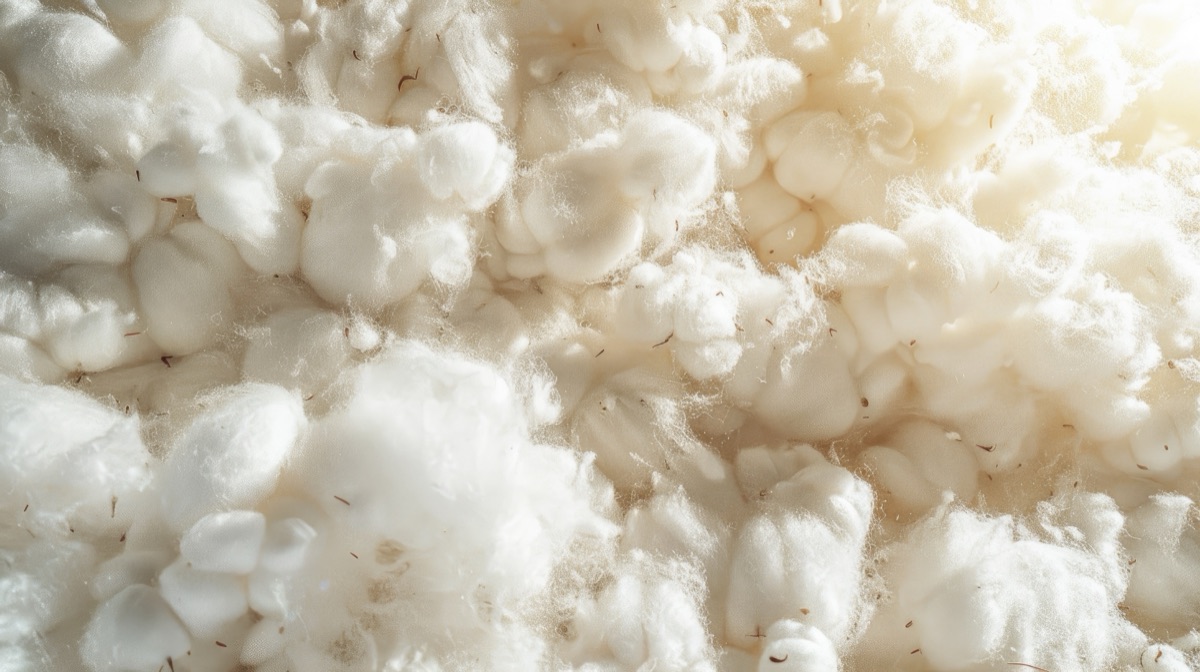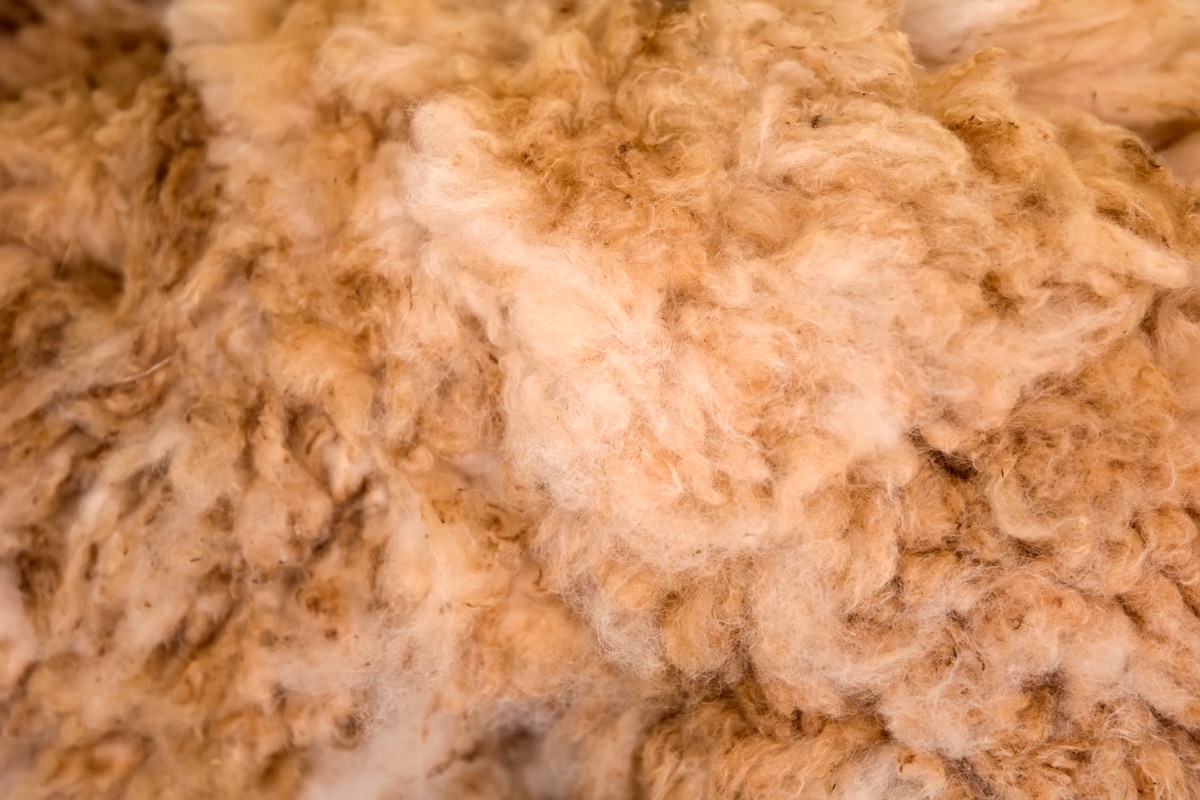
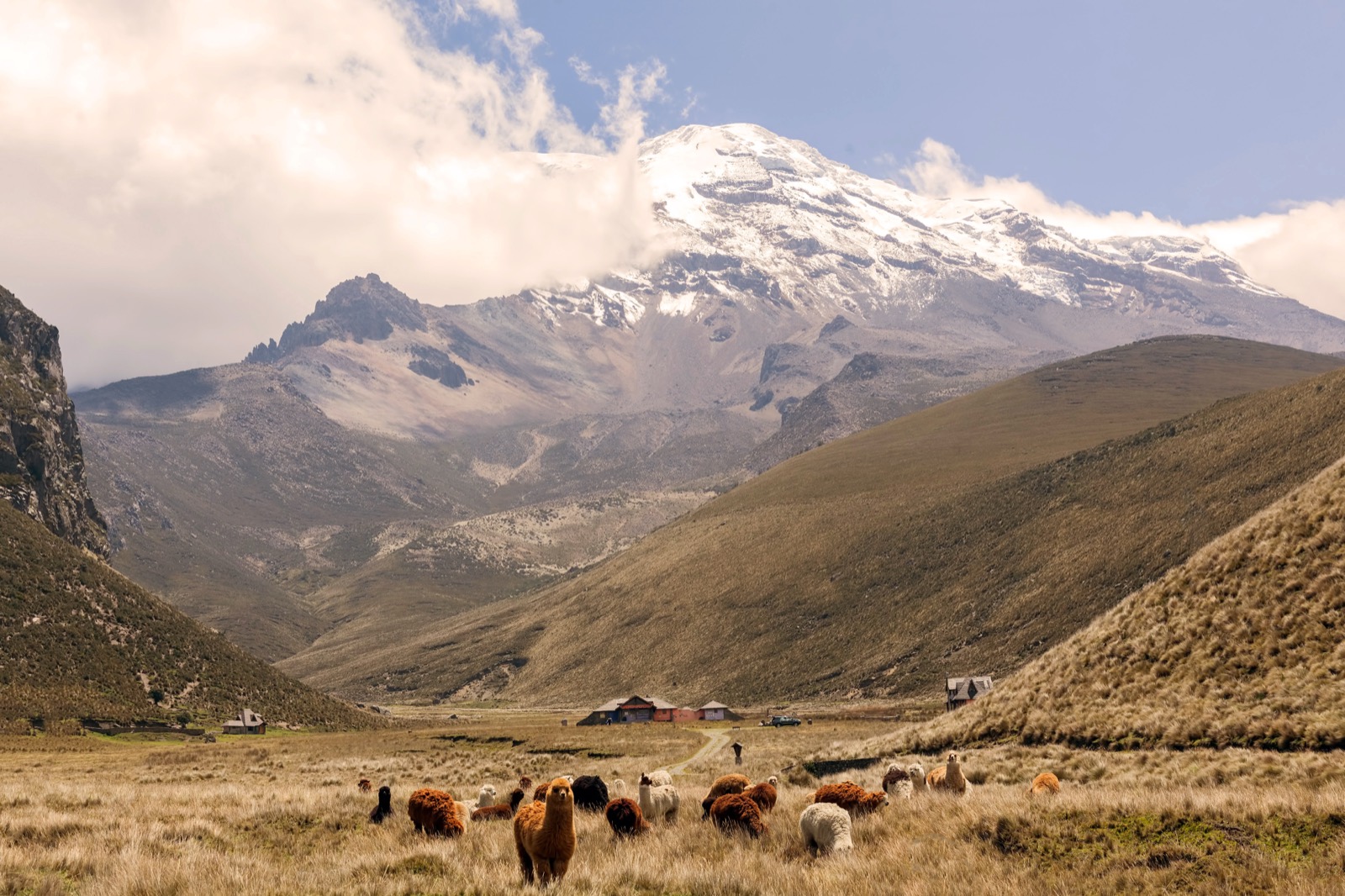
This is material shaped by survival.
The alpaca lives above four thousand meters. No shelter, no heating, no respite from a climate that swings twenty degrees in a single day.
Its fleece evolved to survive exactly that. The result, by accident of an extreme environment, is one of the warmest and lightest natural fibers on earth.
The fiber comes from the high country above Arequipa. Several hours by road, and then on foot, until the last track ends and the plain opens out at over four thousand meters.
The conditions there are not moderate in any direction. The sun at that altitude is fierce enough to burn in an hour, and the same ground drops below freezing after dark. Every night of the year. An animal that lives outdoors in that has two options: adapt or die.
The alpacas are not kept in barns. They graze free across the mountain, moving with the seasons and the water, and they are gathered once a year to be shorn. The herders who follow them live the same way, moving where the animals move.
That matters for the fleece. An animal that spends its life outside grows a coat built for the worst night of the year, not for the average one.
Alpaca carries no lanolin. Lanolin is the grease in sheep wool that triggers most wool reactions, and it is also why wool needs aggressive scouring. Alpaca needs neither, which is why people who cannot sleep under wool usually can sleep under alpaca.
The fiber holds pockets of air along its length. Those pockets insulate against cold and release heat when the body warms, so the same duvet works in November and in May.
From white through beige, brown, grey and black, alpaca grows in more natural colours than any other fiber used in home textiles. A palette that needs no dye is a palette that never fades.
Under the Inca the finest fleeces of this family of animals were controlled by the state and reserved for the ruling class. That was not sentiment. It was a judgement about the material, made by people who had nothing else to keep them warm at that altitude.
Blends with high-altitude wool for weight, and with linen when a lighter throw is needed.