Durability as philosophy.
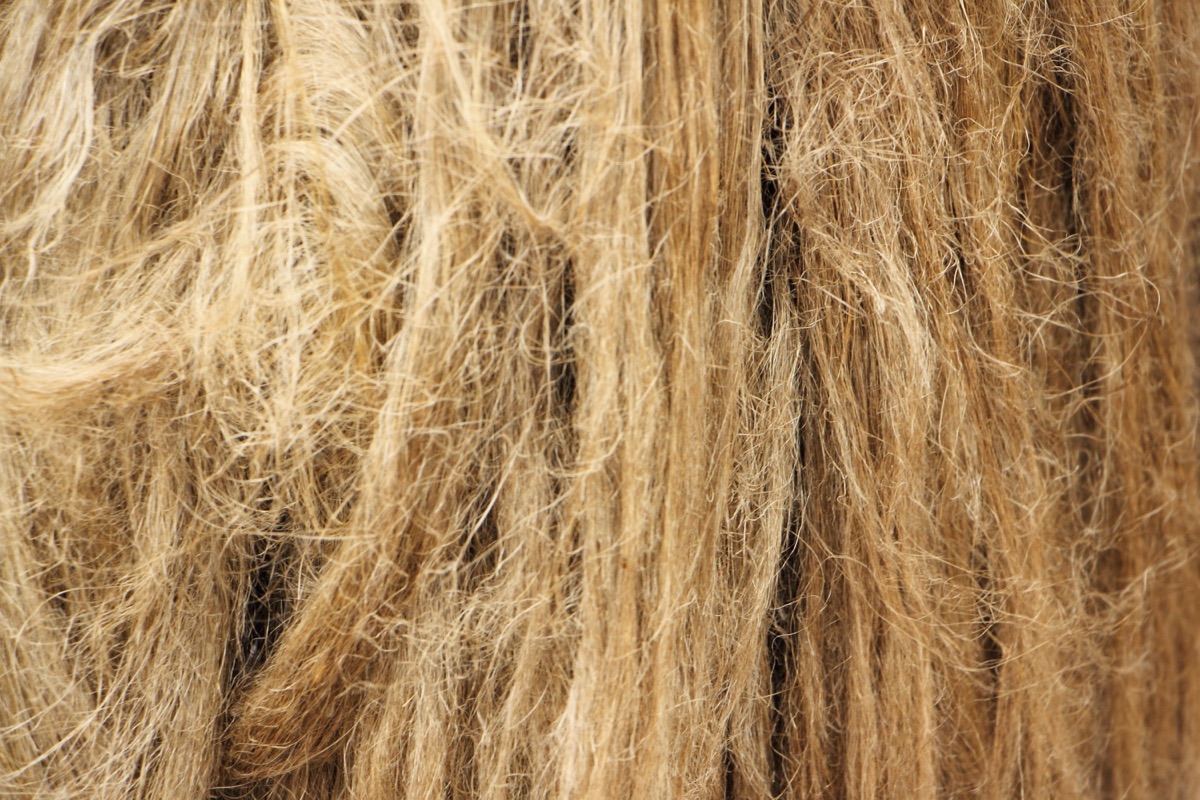
Our flax comes from the north of France and the Belgian border, the narrow strip of Europe that produces most of the finest flax in the world.
It is the one fiber in our range that does not come from the altitude, and it earns its place for a different reason: nothing else lasts like it.
Flax is grown across much of the world, but the fiber worth spinning into linen comes from a strip perhaps two hundred kilometres wide, running from Normandy up through Belgium.
The reason is the weather. Flax needs steady rain and mild temperatures across a hundred days, with no drought and no heat spike. The Atlantic coast delivers exactly that, year after year, and almost nowhere else does.
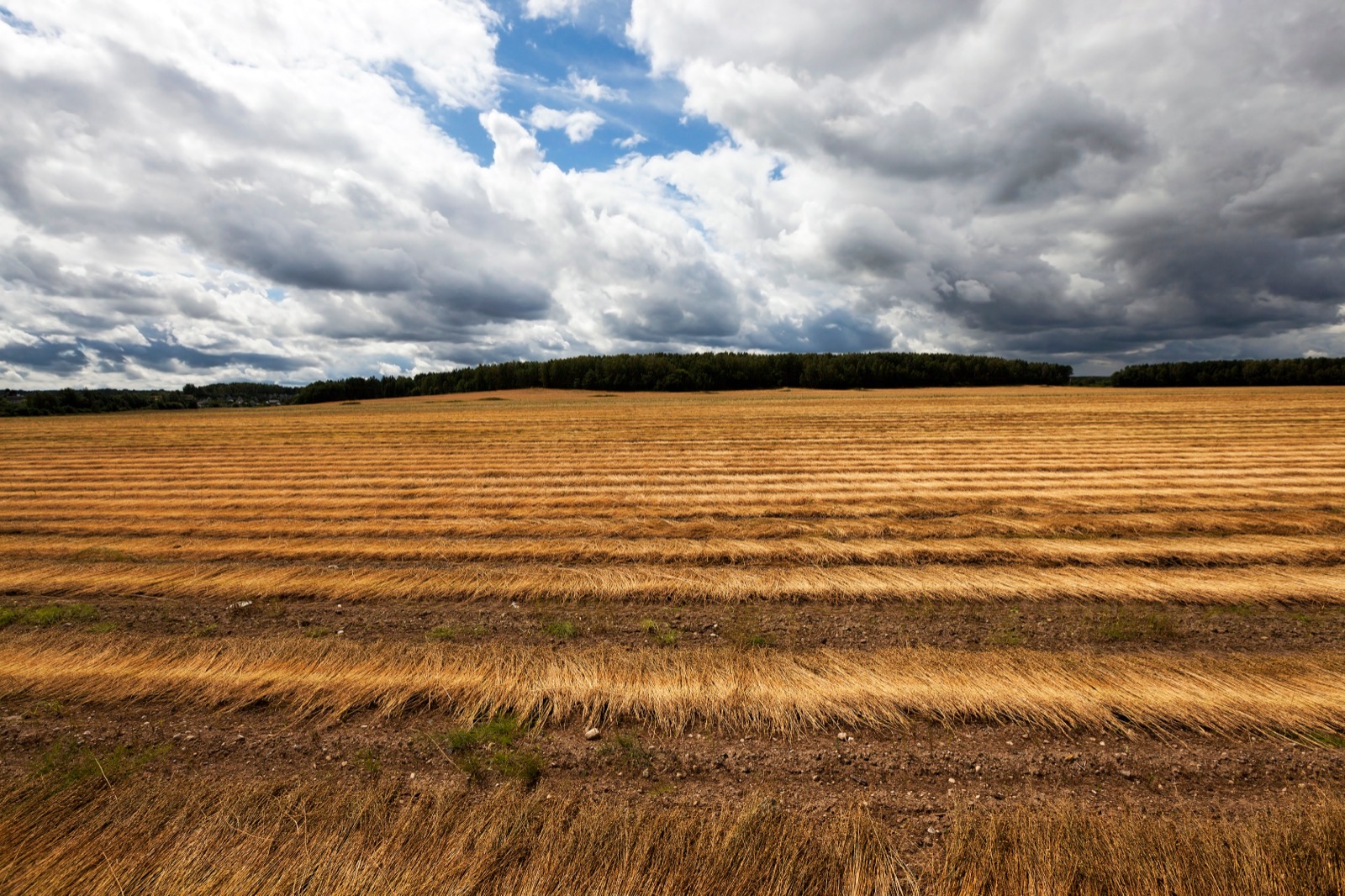
The plant is not cut. It is pulled from the ground with the root attached, so the fiber keeps its full length, and then left in the field for weeks while dew and bacteria loosen it from the stalk. That step cannot be rushed or moved indoors without changing what comes out.
Linen has been woven for thousands of years, long before wool was spun industrially or cotton reached Europe. Fragments have survived in tombs. That is not a romantic detail, it is evidence of how the fiber behaves over time.
Flax is one of the few natural fibers that gains strength when wet, which is why linen survives washing that destroys other fabrics. It is also why a linen sheet softens with every wash instead of thinning.
Linen moves air and moisture away from the body faster than any other fiber we work with. Paired with Andean alpaca or wool, it produces textiles that hold heat when it is cold and release it when it is not.
Nothing about our range is accidental. Flax from a wet Atlantic climate and fleece from a dry mountain one behave in opposite ways, and putting them in the same cloth is how you get a textile that works in more than one season.
Blends with alpaca and Andean wool: linen brings breathability and structure, the Andean fibers bring warmth.