This is not cultivated comfort.
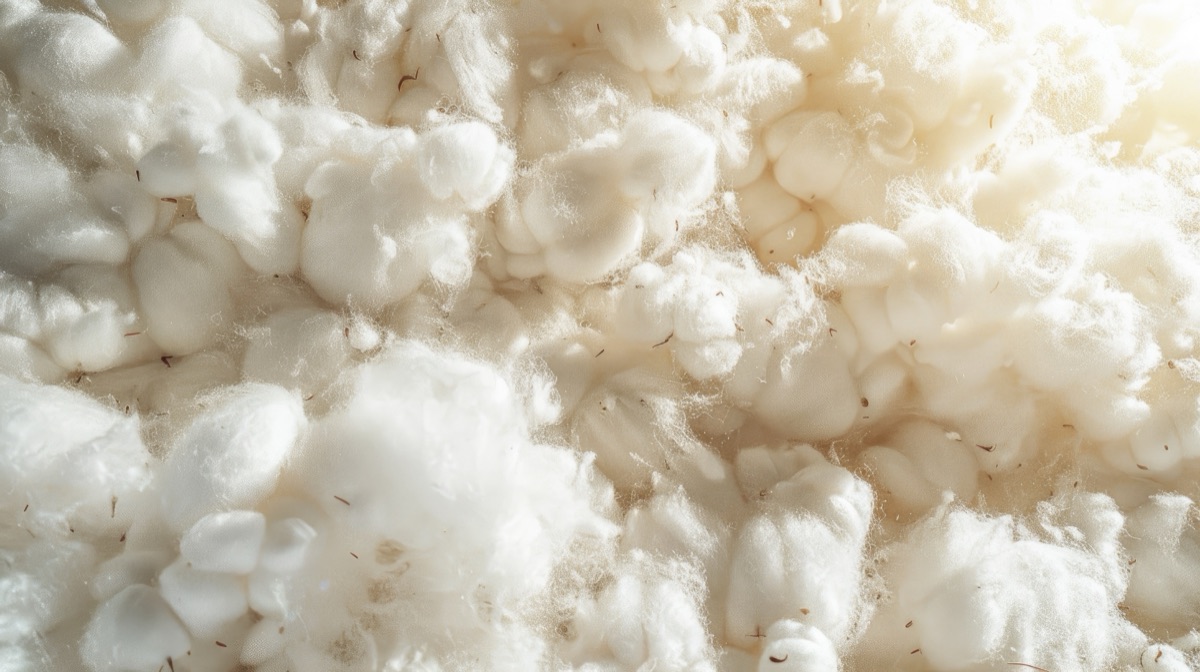
Cotton is the fiber buyers assume they already understand. Peruvian cotton is the reason that assumption is wrong.
The varieties grown on the Peruvian coast are native to the region and belong to the extra-long staple family, the same botanical group behind the finest cottons in the world.
Cotton has been cultivated on this coast for more than four thousand years. Peru is one of the few places on earth where the plant is indigenous rather than introduced, and the varieties grown today descend from those original ones.
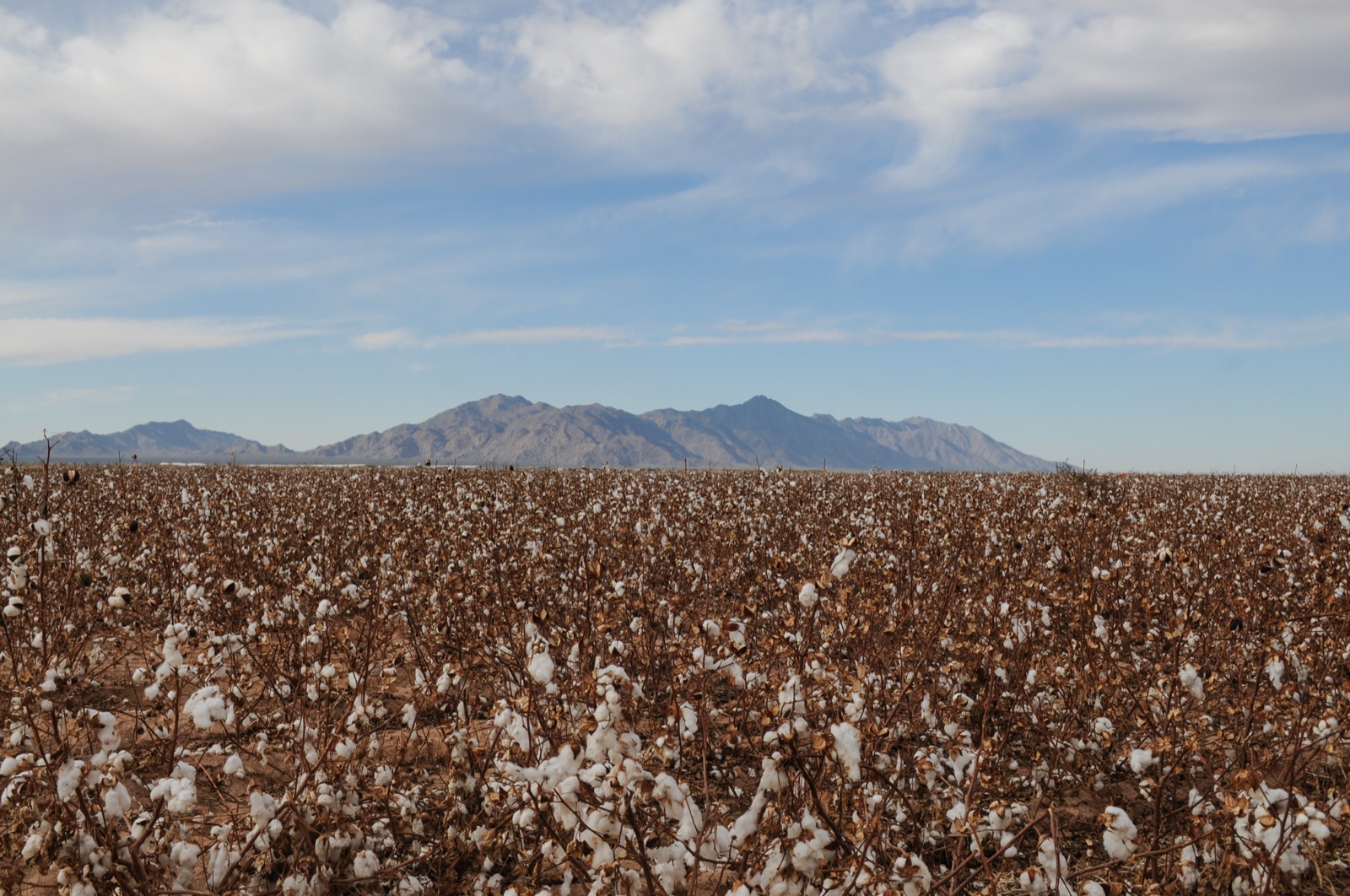
The coastal desert does something unusual for the fiber. There is almost no rainfall, so the crop is irrigated from rivers coming down off the Andes and the grower controls the water precisely. Constant sun, no rain damage, and a long growing season produce a fiber that is both long and even.
Length is what separates this from ordinary cotton. Longer fibers mean fewer ends exposed at the surface of the yarn, which is why the fabric stays smooth instead of pilling after a season of use.
Four thousand years of cultivation in the same place, with varieties that originated there. Most cotton-growing countries received the plant from somewhere else within the last few centuries.
Staple length decides everything: how smooth the yarn runs, how little it pills, how long a sheet keeps its surface. Short-staple cotton is cheaper and it shows within a season. We do not work with it.
Most bedding needs breaking in. Long-staple cotton spun properly does not, because the smoothness comes from the length of the fiber itself and not from a finishing process that washes out.
No rain means no unplanned water on the crop, and irrigation from Andean rivers means the grower decides exactly when the plant drinks. That control is why the fiber comes out even, and evenness is what a spinner pays for.
Blends with wool for lighter duvets, and works alone in sheeting where breathability matters most.